

- Heritage
- insight
Wellness: The emerging visitor need
The global wellness economy hit $6.3 trillion in 2023 and is projected to reach $9 trillion by 2028, with wellness tourism alone forecast at $1.4 trillion by 2027.
Destinations are shifting from leisure backdrops to part of everyday health infrastructure.
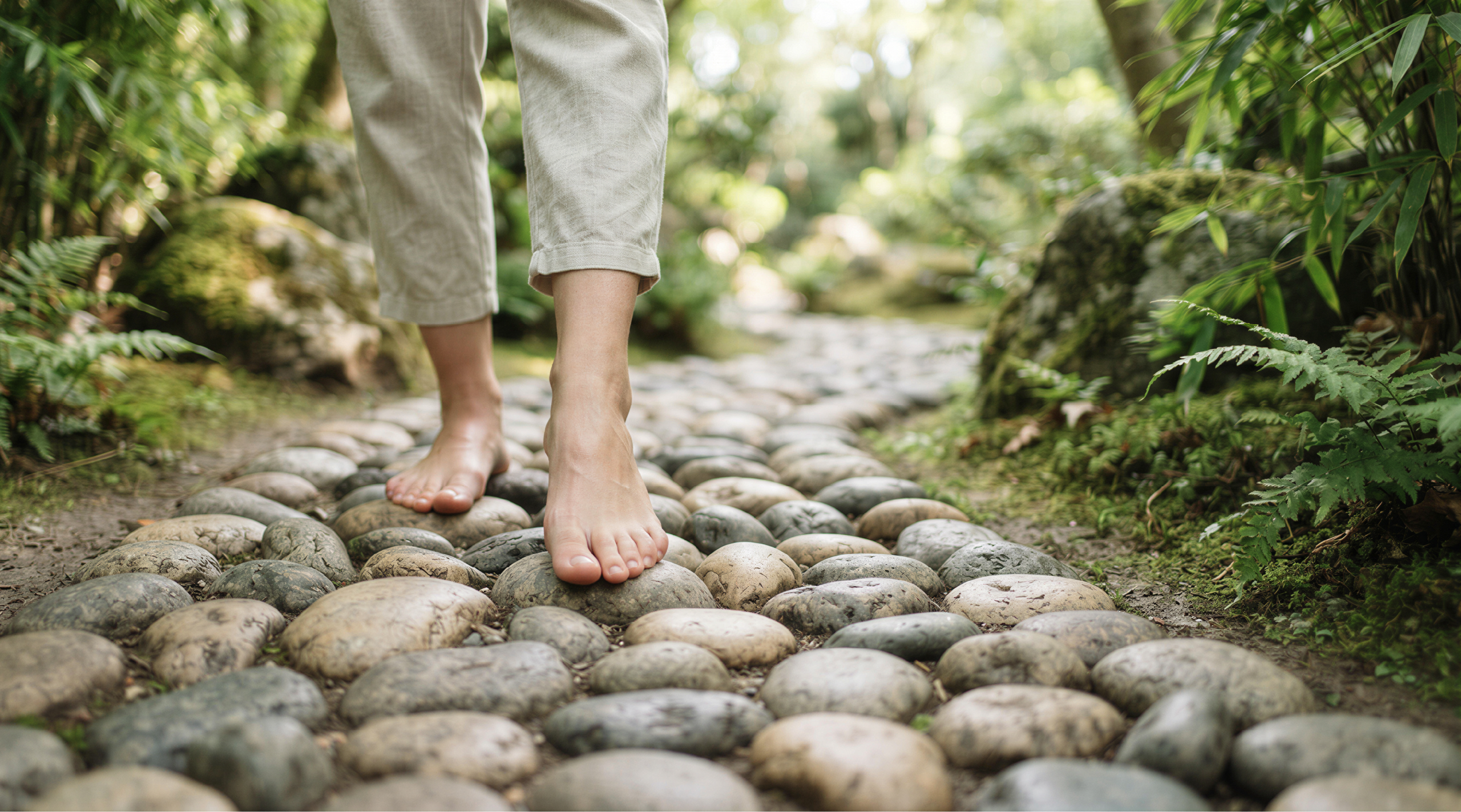
Landscapes as health assets – Wellness travellers spend up to 178% more domestically than average tourists. Heritage cycle trails, walking routes and movement within gallery spaces turn visits into incidental activity that supports long-term physical and mental health.
Nourishment with intent – Health‑conscious, locally sourced menus are now baseline expectations and align with public‑health goals. With UK wellness tourism projected to grow by around 11% a year to 2030, food is a fast, visible way for destinations to demonstrate support for healthier lifestyles.
Joy as therapy – Cultural research shows that engaging creatively with arts and heritage can lift mood, reduce loneliness and improve life satisfaction. Playful installations, immersive exhibitions and moments of delight have measurable effects on mood, memory and social connection.
Slow tourism and digital detox – Younger travellers are driving demand for slower trips, fewer places and more time in nature, often seeking phone‑free or low‑tech experiences. Many Millennials and Gen Z are willing to pay more for breaks that support stress recovery and mental well-being.
The Shift
Destinations are no longer competing solely on what visitors see. They are competing on how visitors feel during the visit and long after they leave.
The opportunity is not to add wellness programming. It is to recognise that destinations already operate within the pillars of good health and to design more intentionally around that role.
Back


