


- health
- communications
Fertility and the curious language of health
Across history, health problems have rarely been labelled plainly! Shaped by modesty and cultural norms, medical products adopted coded or softened names.
A recent trip to Berlin brought this to the fore and highlighted the changing ways in which reproductive health products have been coined.
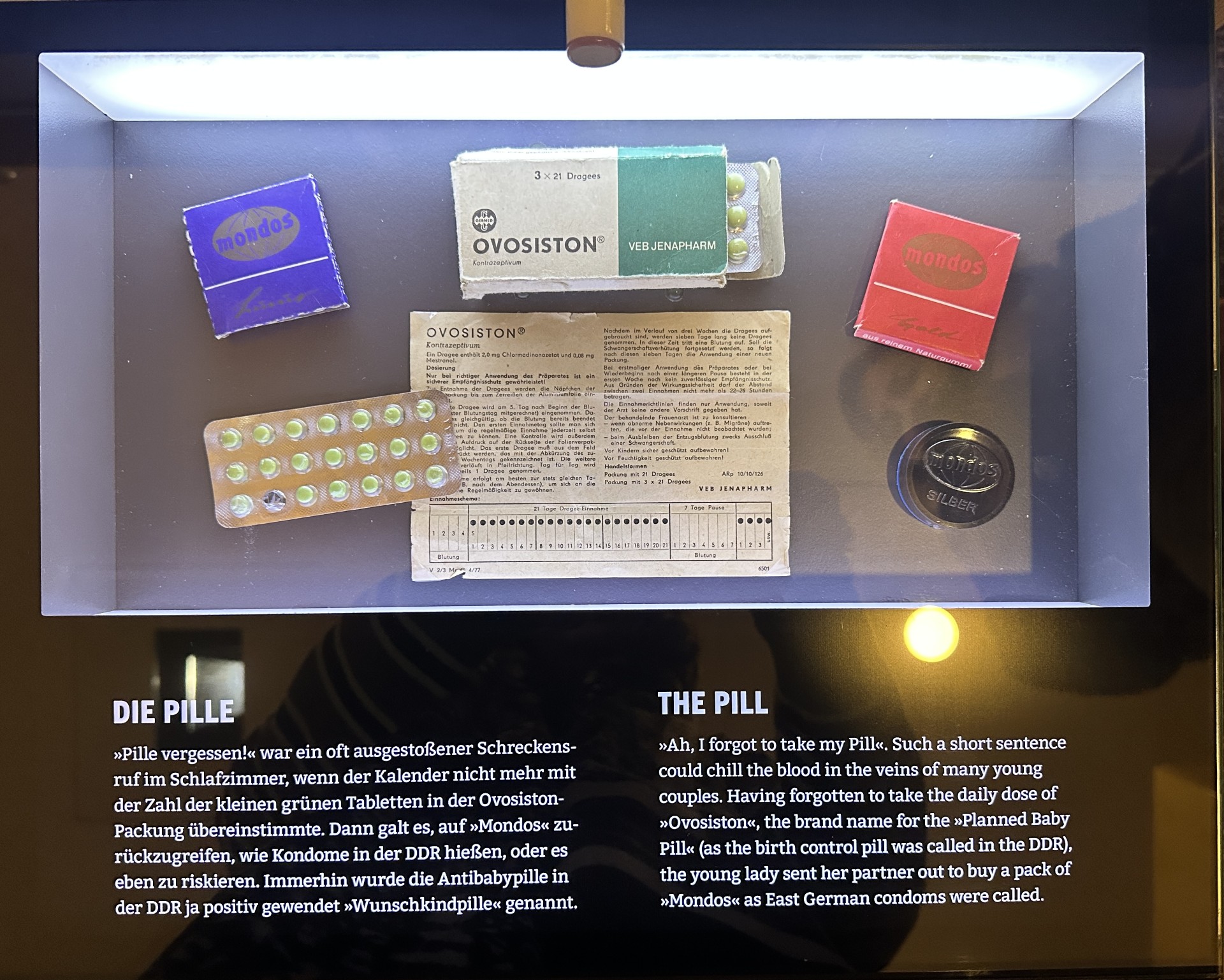
Polite packaging for private products
In the early 20th century, contraception often hid behind softened labels. Pessaries and suppositories, as Schutzkappe (“protective cap”) or Sicherheitsovula(“safety ovules”), disguised their purpose.
Condoms acquired polite or national nicknames: French letters in Britain, capote anglaise (“English riding coat”) in France, and “armour” or “safes” in 19th‑century sources, all avoiding the direct term “condom.”
In post-war East Germany, the pill was heavily promoted as the Wunschkindpille, the ”wanted child or planned baby pill”. Rather than presenting contraception as prevention, the name reframed it as thoughtful planning.
It softened the subject by aligning it with care, intention, and responsible family‑making.
Modern echoes
This thoughtfulness seems to have been lost in more modern times with category names being either literal or vague: family planning, sexual aids, fertility care.
And it can go wrong…Clearblue’s “pregnancy predictor” language recently drew criticism for implying a level of certainty that biology can’t always deliver.
And when we worked on the Clearblue ovulation test, one rule was non‑negotiable: never show a baby on the pack. Not everyone trying to understand their cycle is trying for a child – often quite the opposite.


